Solar eruptions and heliospheric propagation
Modeling how coronal mass ejections evolve in the corona and inner heliosphere, with emphasis on space-weather relevance.
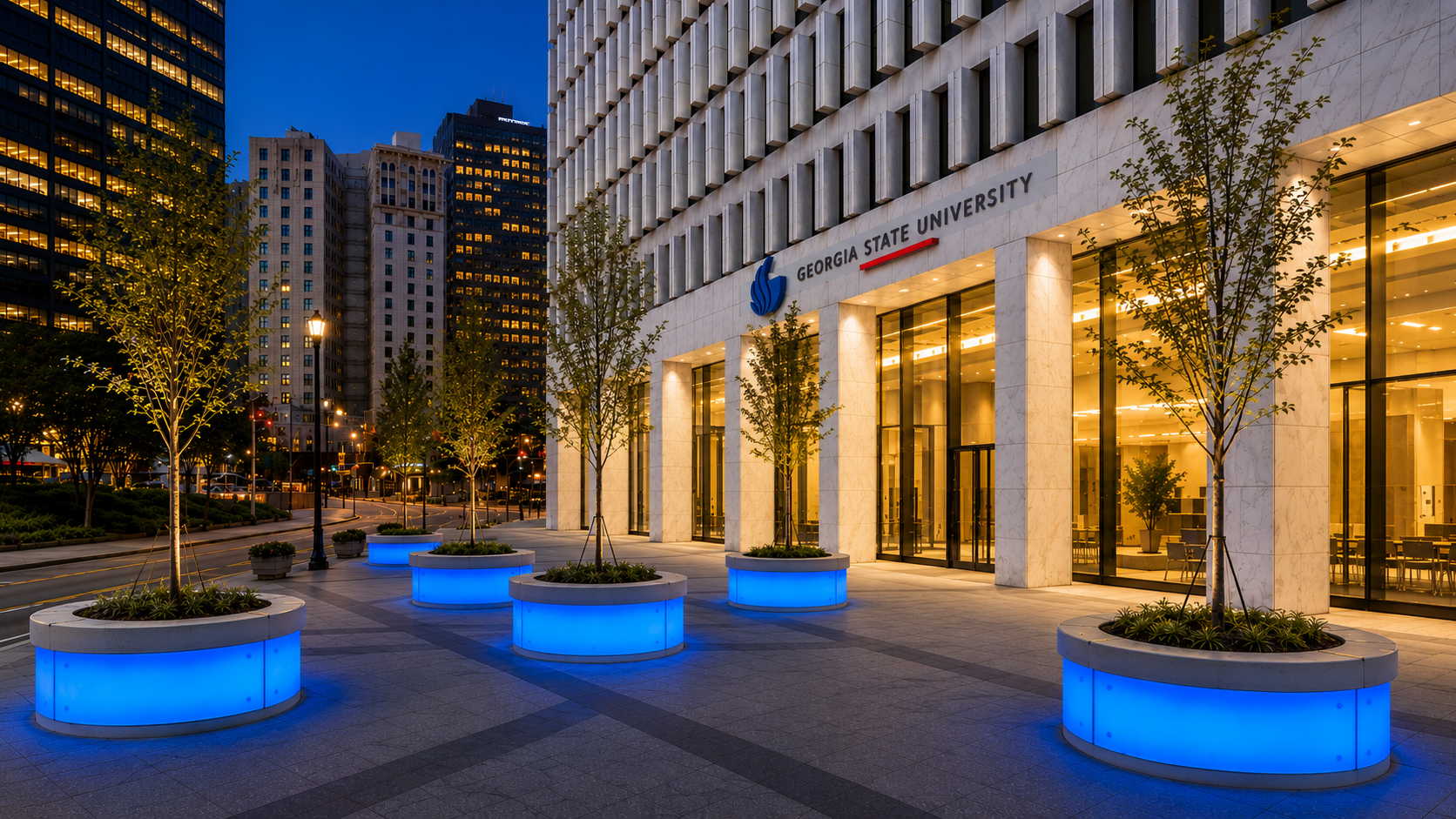
Georgia State University
Assistant Professor of Physics and Astronomy at Georgia State University.
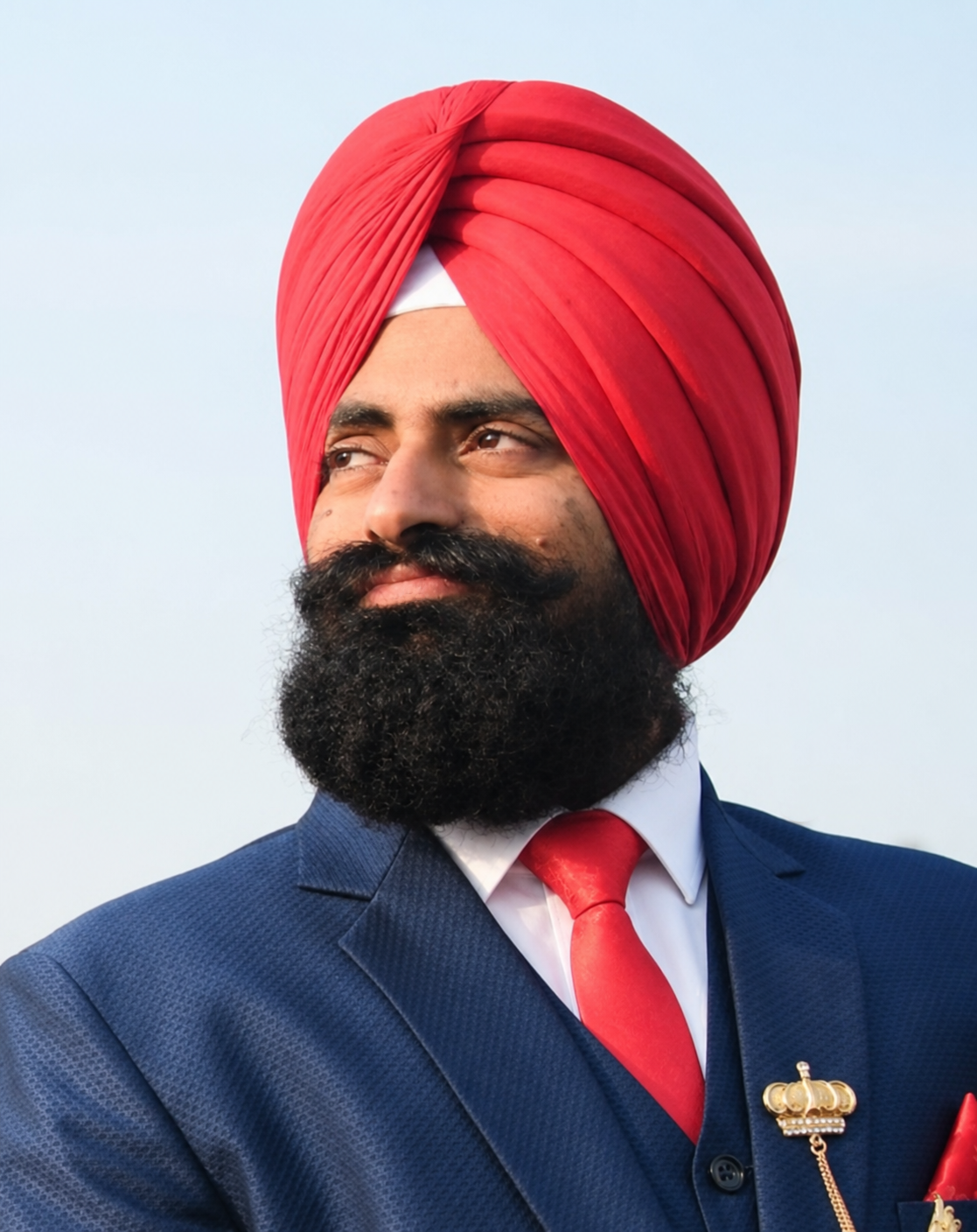
About
I am an Assistant Professor in the Department of Physics & Astronomy at Georgia State University. My research focuses on coronal mass ejections, solar-wind modeling, heliospheric simulations, machine learning for space-weather prediction, and reproducible scientific software.
Research
Modeling how coronal mass ejections evolve in the corona and inner heliosphere, with emphasis on space-weather relevance.
Developing computational pipelines and high-order MHD tools that connect boundary conditions, numerical models, and multi-instrument observations.
Developing data-driven methods for solar flare and CME forecasting.
Teaching
Introductory mechanics for lower division undergraduates.
Advanced mechanics for upper-level physics students.
Student projects connect heliophysics, numerical modeling, scientific programming, observations, and machine-learning methods for space-weather applications.
Education & Experience
Aug 2024 - Current
Department of Physics & Astronomy, Georgia State University, Atlanta.
Dec 2021 - July 2024
Center for Space Plasma and Aeronomic Research, University of Alabama in Huntsville.
Dec 2020 - Dec 2021
Center for Space Plasma and Aeronomic Research, University of Alabama in Huntsville.
2020
The University of Alabama in Huntsville. Thesis: Modeling Coronal Mass Ejections in The Solar Wind Driven by Photospheric Data. Advisor: Dr. Nikolai Pogorelov.
2018
The University of Alabama in Huntsville.
2016
Indian Institute of Technology (BHU) Varanasi. Thesis: Global EUV Waves and Their Interaction with Solar Coronal Structures.
Publications
2026
Kuznetsova et al., Advances in Space Research. DOI: 10.1016/j.asr.2026.03.027
2026
S. Roy, D. Hegde, J. Schmude, R. Lal, V. Gaur, T. Singh, et al., Nature Scientific Data. DOI: 10.1038/s41597-026-06552-5
2025
T. Singh, S. S. Maity, P. Chatterjee, N. Pogorelov, Journal of Astrophysics and Astronomy. DOI: 10.1007/s12036-025-10114-3
2025
T. Singh et al., Journal of Physics Conference Series. DOI: 10.1088/1742-6596/2997/1/012019
2025
T. Singh, D. Hegde, T. K. Kim, N. Pogorelov, The Astrophysical Journal. DOI: 10.3847/1538-4357/adb1ac
2023
T. Singh, B. Benson, S. A. Z. Raza, T. K. Kim, N. V. Pogorelov, W. P. Smith, C. N. Arge, The Astrophysical Journal. DOI: 10.3847/1538-4357/acc10a
2022
T. Singh, T. Kim, N. V. Pogorelov, C. Arge, The Astrophysical Journal. DOI: 10.3847/1538-4357/ac73f3
2020
T. Singh, M. S. Yalim, N. V. Pogorelov, N. Gopalswamy, The Astrophysical Journal. DOI: 10.3847/1538-4357/ab845f
Funding
NASA, $249,981, Role: co-I, 2024-2026.
NASA, $280,067, Role: PI, 2023-2025.
NASA, $150,000, Role: Co-I, 2025-2026.
NASA, $150,000, Role: Co-I, 2023-2026.
NSF, $299,979, Role: Co-I, 2026-2028.
Students
I welcome motivated students interested in space physics, computational modeling, data analysis, machine learning, and scientific software. Prospective students should include a short note about their interests, relevant coursework or research experience, and what they hope to learn.
Email Me